Discover natural alternatives to coffee that provide steady energy, lasting focus, and fewer caffeine crashes. Learn how matcha and tea can support a balanced daily routine.
Natural Sources of Energy
Tea provides caffeine differently from coffee, offering a smoother and more balanced energy experience throughout the day.
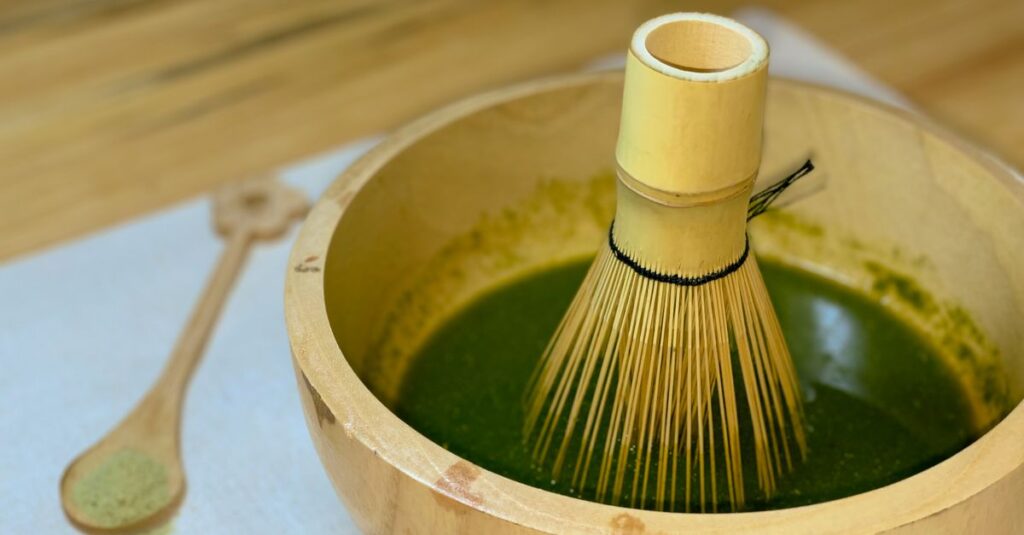
Matcha
Stone-ground green tea rich in caffeine and L-theanine for steady energy and focus.
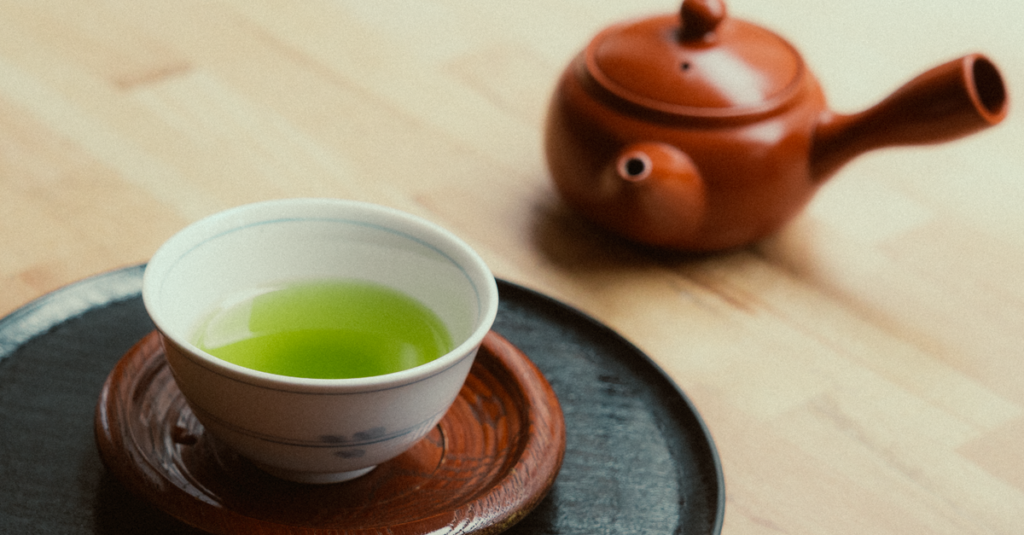
Green Tea
A lighter source of natural caffeine with refreshing flavor and gentle stimulation.
Black Tea
A stronger tea option with more caffeine while remaining smoother than coffee for many people.
Daily Tea Ritual
Replacing coffee with tea can become a calming morning habit that supports consistent energy.
Why Tea Feels Different From Coffee
Tea naturally combines caffeine with L-theanine, creating a smoother and more gradual feeling of alertness than many people experience with coffee.
Steady energy release
Supports concentration
Less noticeable caffeine crash
Gentler on many people
Suitable for daily routines
Natural tea compounds
Choosing the Right Tea for Energy
Different teas offer different levels of caffeine and flavor, making it easy to choose one that fits your lifestyle and daily schedule.
Matcha for focused work
Green tea for light energy
Black tea for stronger stimulation
Morning or afternoon use
Caffeine tolerance
Personal taste preference
Find Your Natural Energy Routine
Compare different teas, understand natural caffeine levels, and discover practical alternatives to coffee for everyday energy.