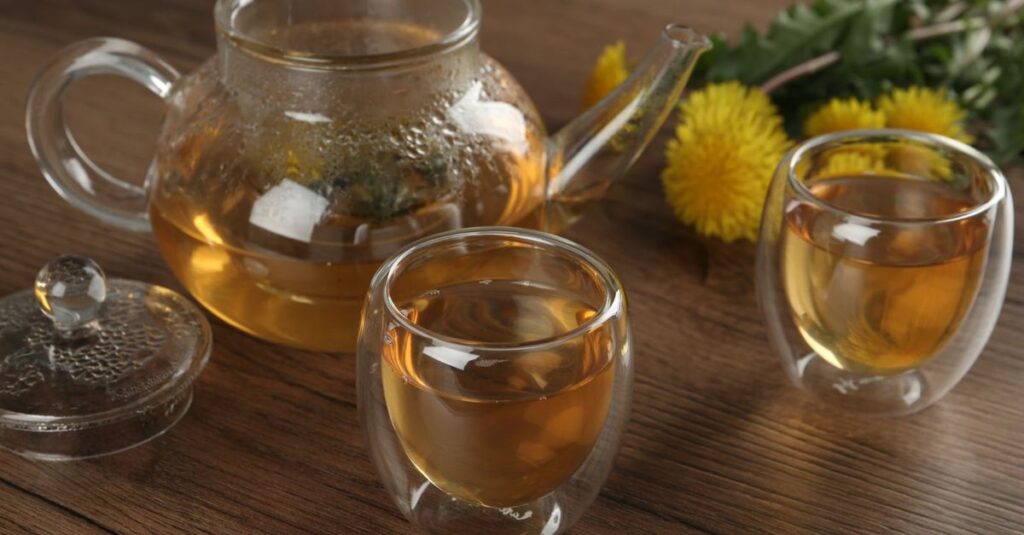
Discover the six traditional tea categories, learn how each tea is processed, and explore the unique flavors, aromas, and characteristics of every type.
The Six Traditional Tea Types
Learn about the six traditional tea categories, each created through different processing methods that produce unique flavors and aromas.
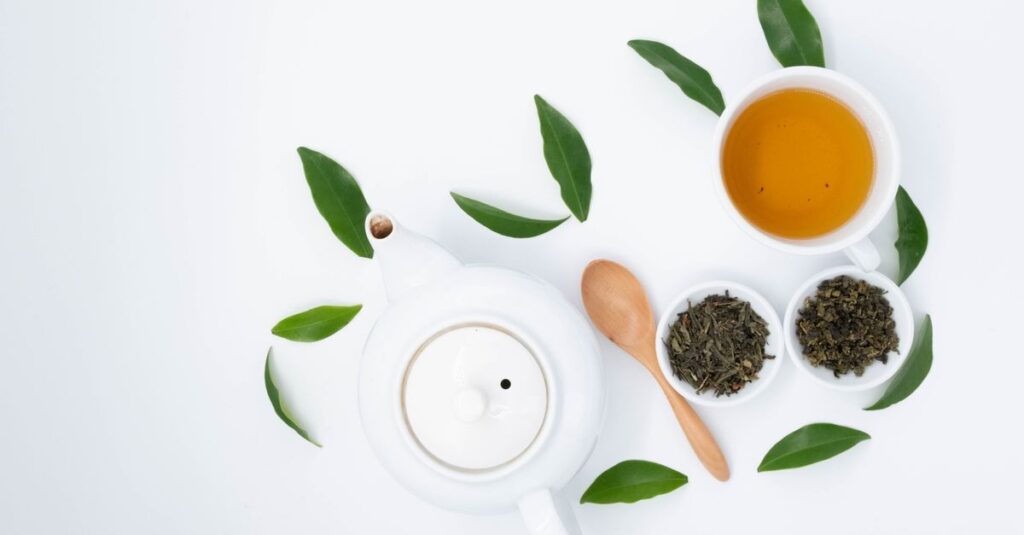
Green Tea
Fresh, lightly processed tea known for its delicate flavor, vibrant color, and natural freshness.
Black Tea
Fully oxidized tea offering bold flavors, rich aromas, and a smooth, full-bodied character.
Oolong Tea
Partially oxidized tea balancing the freshness of green tea with the richness of black tea.
White Tea
Minimally processed tea prized for its subtle sweetness, delicate aroma, and elegant character.
Yellow Tea
A rare, lightly oxidized tea with a mellow flavor, smooth texture, and gentle sweetness.
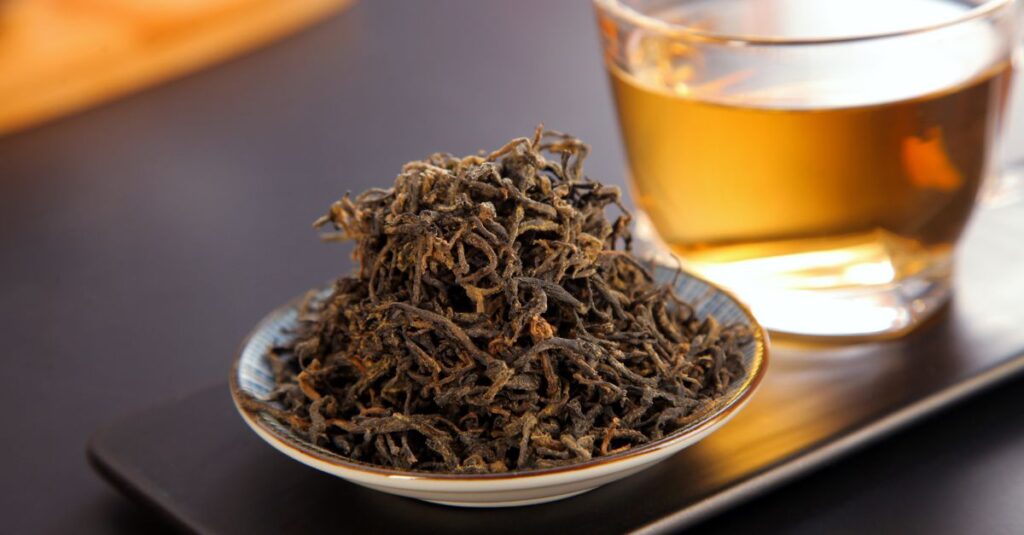
Dark Tea (Pu-erh)
Fermented and aged tea known for its rich earthy flavor, smooth character, and excellent aging potential.
Why Tea Types Matter
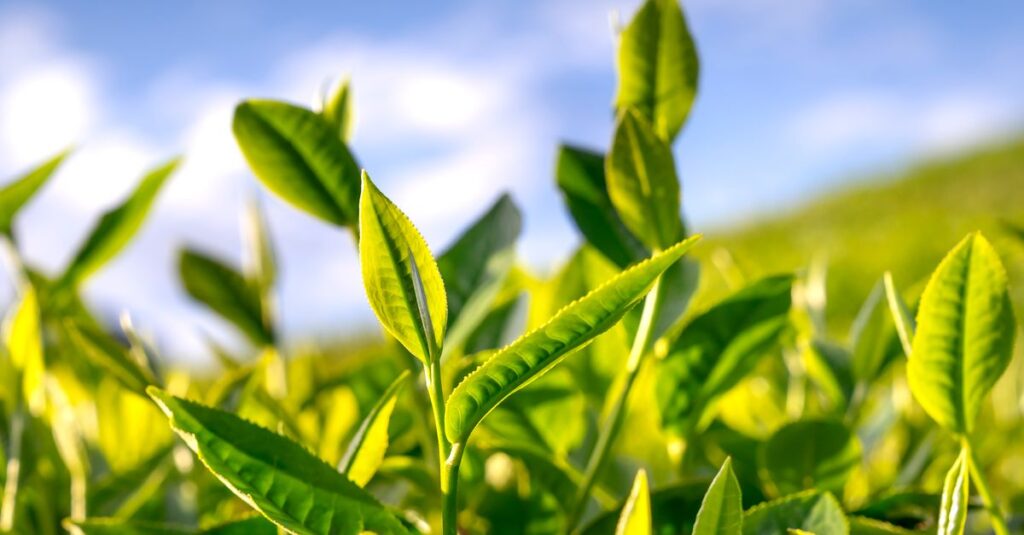
Although all traditional teas come from the same plant, Camellia sinensis, different processing methods create unique flavors, aromas, colors, and brewing experiences.
Different oxidation levels
Unique processing techniques
Distinct flavor profiles
Brewing recommendations
Caffeine differences
Everyday tea enjoyment
Understanding Tea Types
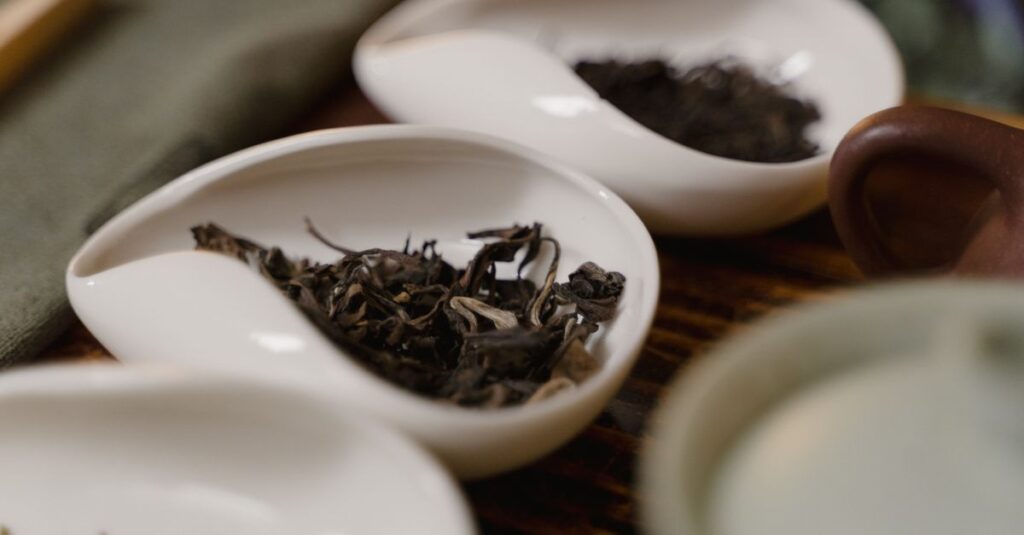
Tea is commonly divided into six traditional categories based on how the leaves are processed after harvesting.
Green Tea — Fresh and lightly processed
White Tea — Delicate and naturally dried
Yellow Tea — Rare and mellow
Oolong Tea — Partially oxidized
Black Tea — Fully oxidized
Dark Tea (Pu-erh) — Fermented and aged
Explore Every Tea Type
Discover tea categories, flavor profiles, brewing methods, and guides for every traditional tea type.