Tea Comparisons

Compare popular tea types, brewing methods, flavor profiles, caffeine levels, and health benefits. Discover the key differences between green tea, matcha, herbal tea, black tea, and more to choose the tea that best fits your taste and lifestyle.

Popular Tea Comparisons

Compare the most popular tea combinations to understand their differences in flavor, preparation, caffeine, and everyday use.

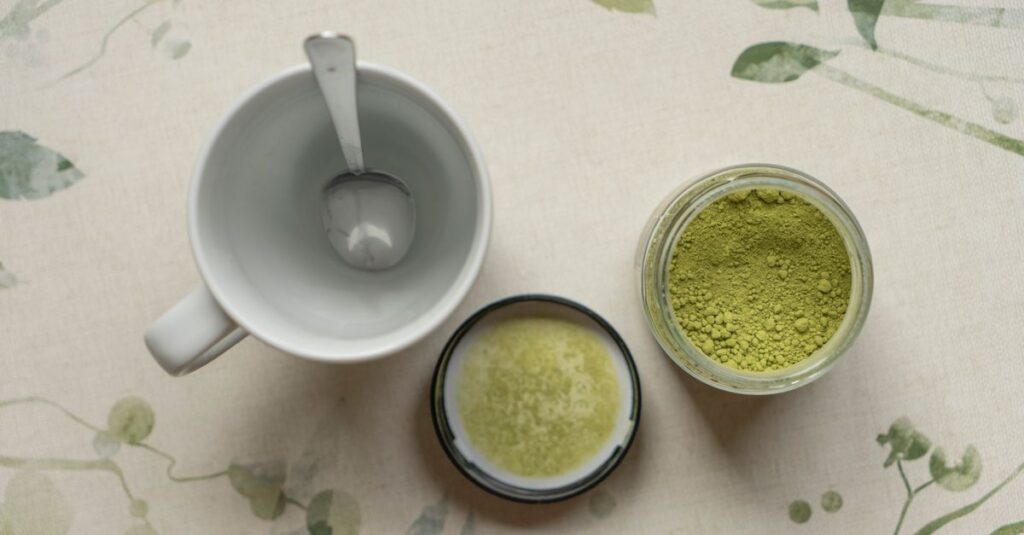
Top view of matcha powder in jar with empty cup on floral tablecloth.
Green Tea vs Matcha
Compare flavor, caffeine, antioxidants, preparation methods, and daily drinking benefits.
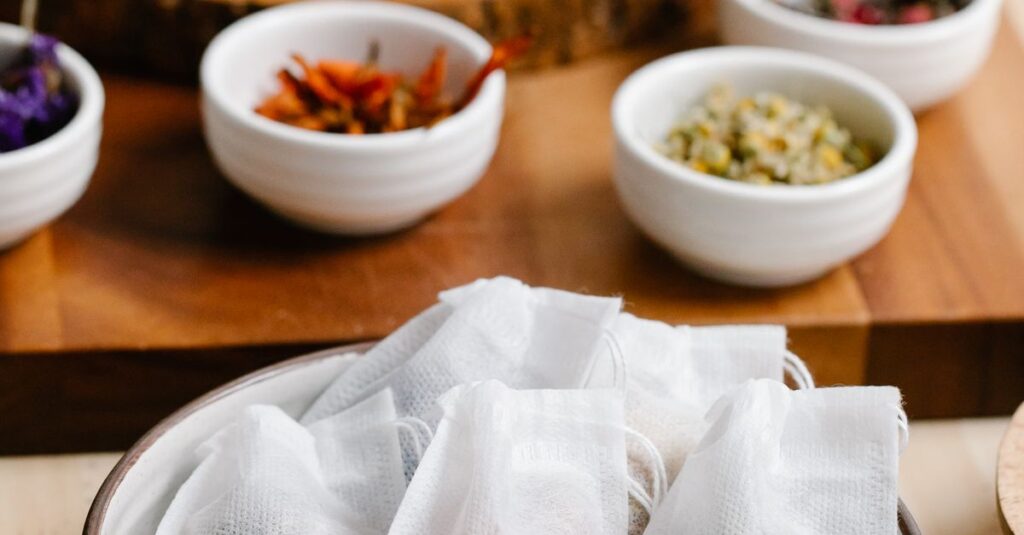
Close-up of herbal tea bags and bowls of dried herbs on a wooden table for brewing.
Loose Leaf vs Tea Bags
Understand the differences in quality, convenience, freshness, brewing experience, and overall value.
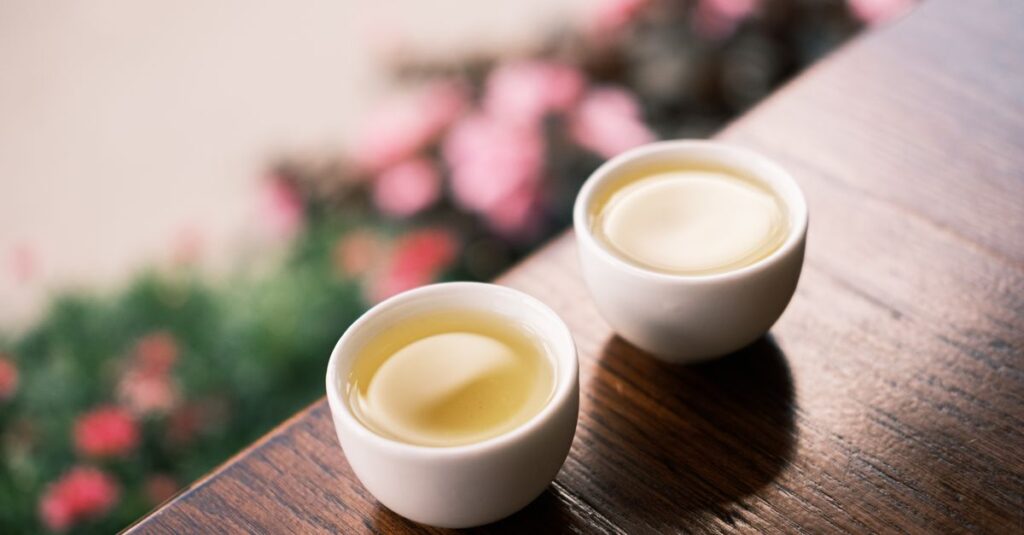
Two white tea cups on a wooden table with blurred flowers in the background.
Japanese vs Chinese Tea
Explore regional growing traditions, processing methods, flavor profiles, and brewing styles.
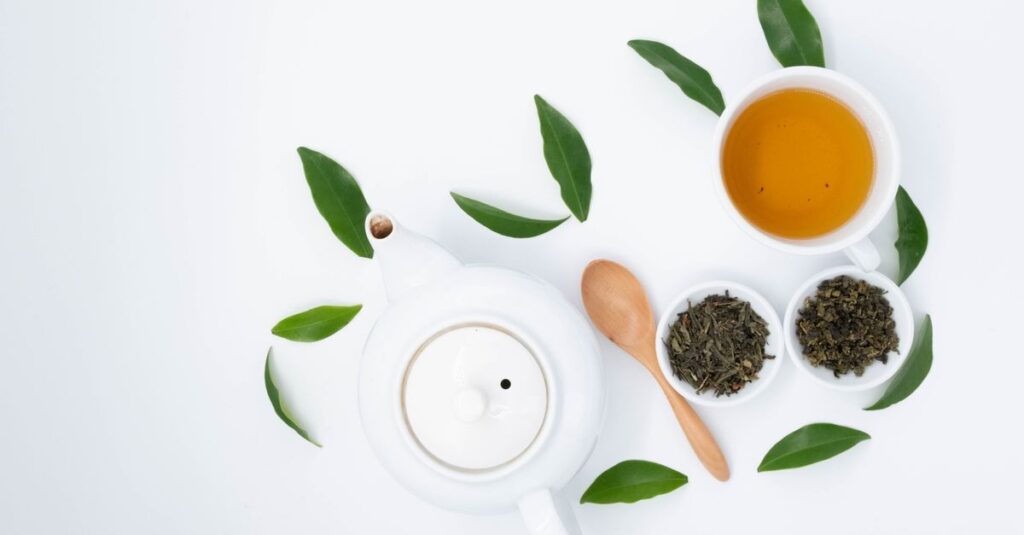
From above of cup with green tea near dry and fresh leaves with ceramic teapot on white table
Herbal Tea vs Green Tea
Compare caffeine content, ingredients, wellness goals, and the best time to enjoy each type.

How to Compare Tea

Comparing teas involves more than flavor alone. Origin, processing methods, brewing style, and caffeine content all influence the overall tea experience.

  • Flavor profile
  • Caffeine level
  • Tea processing
  • Brewing method
  • Daily drinking purpose
  • Overall value

Key Comparison Factors

Understanding these comparison points makes it easier to choose the right tea based on your personal preferences and lifestyle.

  • Tea origin
  • Leaf quality
  • Brewing difficulty
  • Health benefits
  • Price range
  • Recommended occasions

Find the Right Tea for You

Explore detailed tea comparisons to better understand flavor, brewing methods, caffeine levels, and wellness benefits before choosing the tea that best matches your lifestyle.
F.A.Q.

Matcha generally contains more caffeine than brewed green tea, while herbal teas are naturally caffeine-free.

Loose leaf tea usually contains larger, higher-quality leaves, while tea bags prioritize convenience.

Loose leaf tea often provides better flavor, aroma, and leaf quality, while tea bags offer greater convenience.

Japanese green teas are typically steamed, while Chinese green teas are usually pan-fired, creating different flavor profiles.

Many beginners enjoy Sencha, Longjing, chamomile, or lightly flavored herbal teas because they are approachable and easy to brew.

The best daily tea depends on your caffeine preference, flavor profile, and brewing routine.

Not always. Freshness, origin, processing quality, and personal preference are often more important than price alone.

Different teas offer different benefits. Green tea, matcha, and herbal teas each provide unique characteristics depending on your wellness goals.

Related Articles

Hello world!

Welcome to WordPress. This is your first post. Edit or delete it, then start writing!...