Discover authentic Japanese ceremonial matcha, crafted from first-harvest tea leaves and stone-ground into a vibrant green powder for a smooth, rich, and traditional tea experience.
What Makes Ceremonial Matcha Special
Ceremonial matcha is produced using traditional cultivation and processing methods that create its distinctive taste, texture, and appearance.
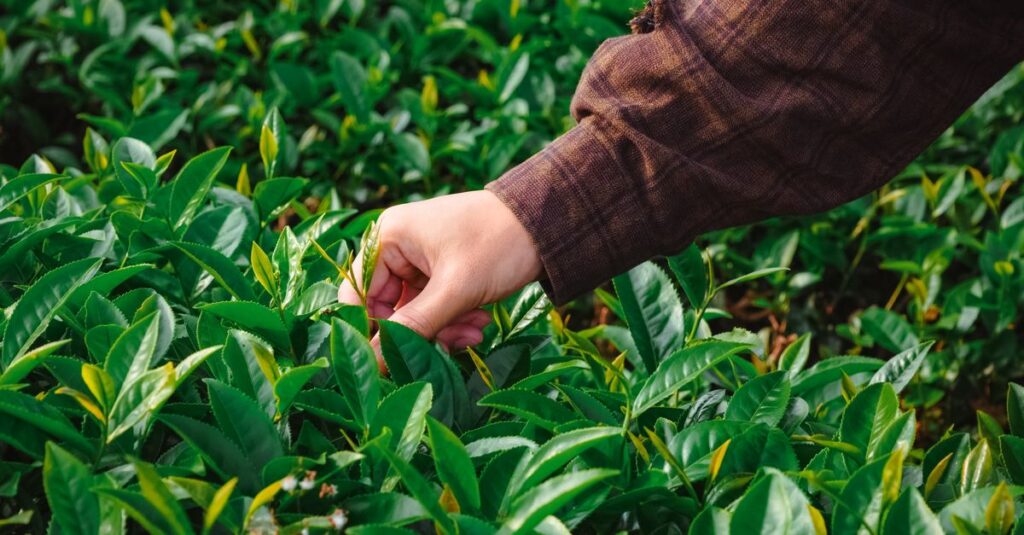
First Harvest Leaves
Picked during the first spring harvest for exceptional sweetness and vibrant green color.
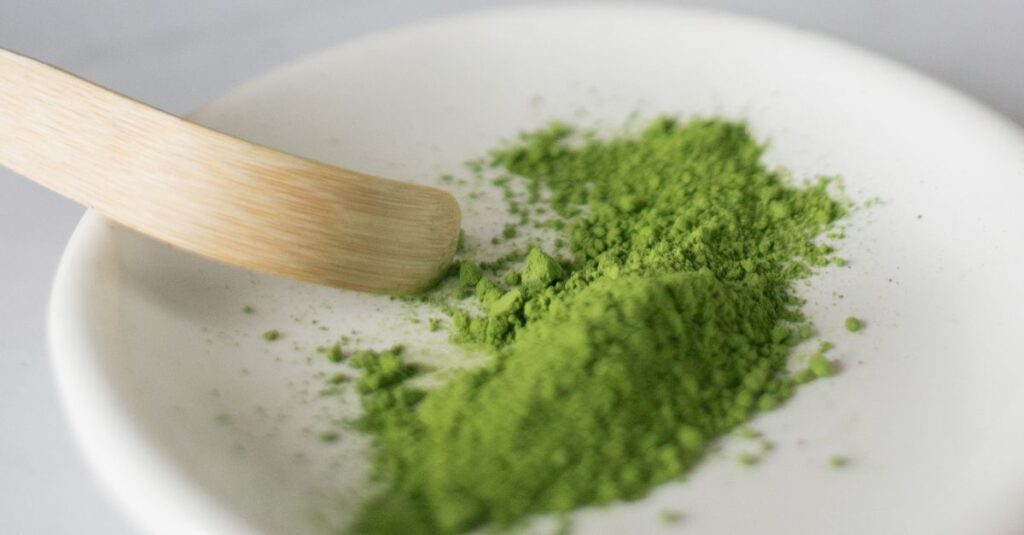
Stone-Ground Process
Slowly ground into an ultra-fine powder using traditional granite stone mills.
Smooth Umami Flavor
Naturally sweet with rich umami and minimal bitterness when properly prepared.
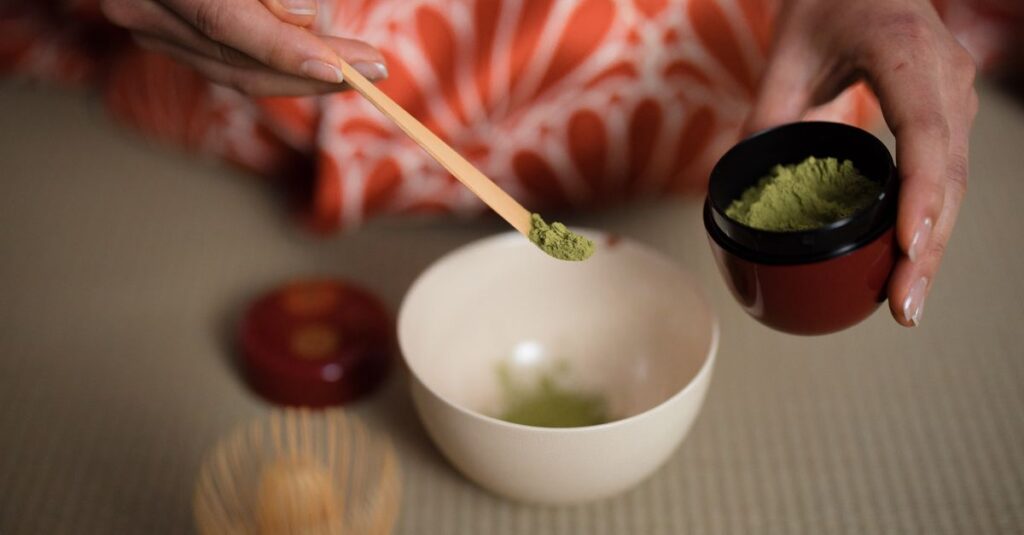
Traditional Tea Ceremony
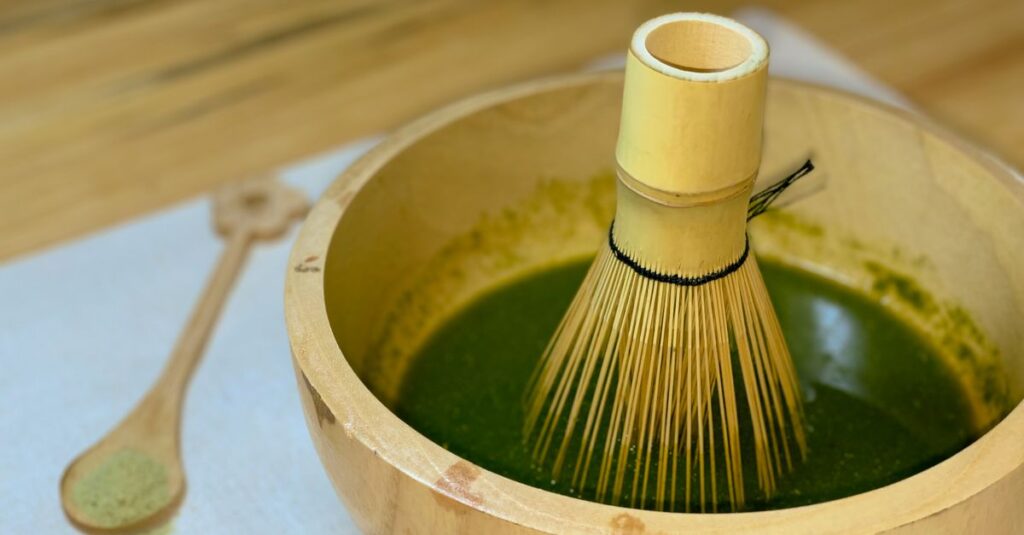
Prepared with a bamboo whisk as part of Japan's centuries-old tea tradition.
How to Prepare Ceremonial Matcha
Preparing ceremonial matcha correctly helps preserve its smooth texture and delicate flavor.
Sift the matcha powder
Use water around 70–80°C (158–176°F)
Whisk with a bamboo chasen
Create a light foam
Serve immediately
Enjoy without added sugar
How to Identify Quality Ceremonial Matcha
High-quality ceremonial matcha is recognized by its appearance, aroma, texture, and balanced flavor.
Bright emerald green color
Fresh grassy aroma
Fine silky texture
Natural umami sweetness
Little or no bitterness
Produced in Japan
Experience Authentic Ceremonial Matcha
Learn how ceremonial matcha is grown, prepared, and enjoyed while exploring guides for selecting premium-quality Japanese matcha.
Ceremonial matcha is a premium grade of Japanese green tea powder made from the youngest, first-harvest tea leaves. It is traditionally prepared with hot water and enjoyed without milk or sweeteners to appreciate its smooth, naturally rich flavor.
Ceremonial matcha is produced for drinking on its own and offers a smoother, sweeter taste with less bitterness. Culinary matcha has a stronger flavor and is better suited for lattes, smoothies, desserts, and baking.
Ceremonial matcha requires shade-grown tea plants, hand-selected first-harvest leaves, careful processing, and traditional stone grinding. These methods produce higher quality but also increase production costs.
Look for a vibrant emerald green color, a fine silky texture, a fresh grassy aroma, and a naturally sweet umami flavor. High-quality ceremonial matcha should have little bitterness when prepared correctly.
Sift 1–2 teaspoons of matcha into a bowl, add hot water at about 70–80°C (158–176°F), and whisk with a bamboo chasen until a light layer of foam forms. Serve immediately for the best flavor.
Yes, but many tea enthusiasts prefer using ceremonial matcha for traditional preparation because of its delicate flavor. Culinary matcha is generally a more practical choice for milk-based drinks.
Store ceremonial matcha in an airtight container away from heat, moisture, and direct sunlight. Refrigerating the container after opening can help preserve its freshness and vibrant color.
Ceremonial matcha has a smooth, creamy texture with natural sweetness, fresh vegetal notes, and a rich umami finish. It should have very little bitterness when properly prepared.