Discover Japan’s renowned green teas, regional traditions, cultivation methods, and timeless tea culture.
Popular Japanese Tea Varieties
Discover Japan’s most popular teas, each offering distinctive flavors, cultivation methods, and brewing traditions.
Sencha
Japan's most popular green tea, known for its fresh grassy aroma, balanced sweetness, and everyday enjoyment.
Matcha
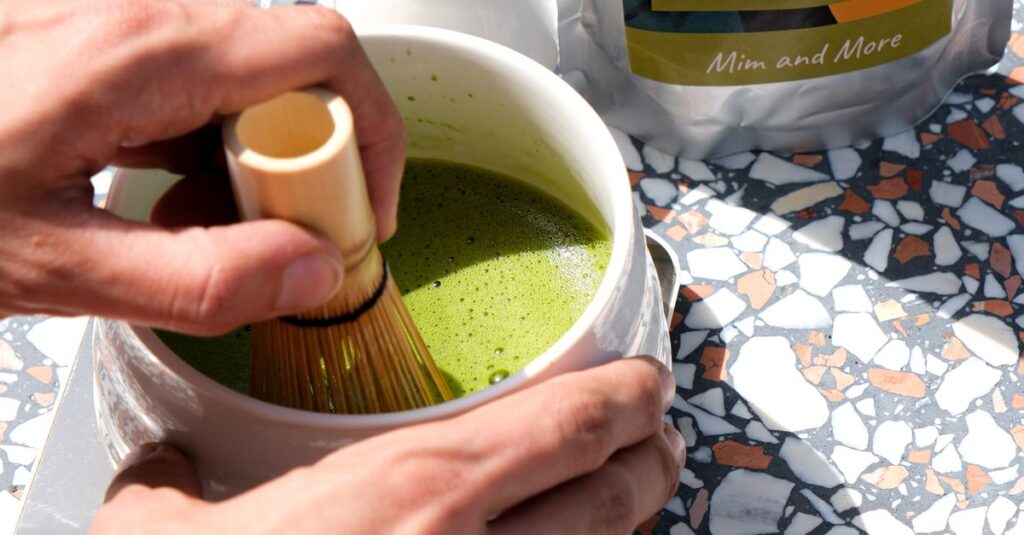
Finely ground powdered green tea with a rich umami flavor, vibrant green color, and traditional ceremonial use.
Gyokuro
A premium shade-grown green tea prized for its smooth texture, sweet flavor, and deep umami character.
Hojicha
Roasted green tea featuring a warm, nutty aroma with low bitterness and a naturally mellow taste.
Why Japanese Tea Is Unique
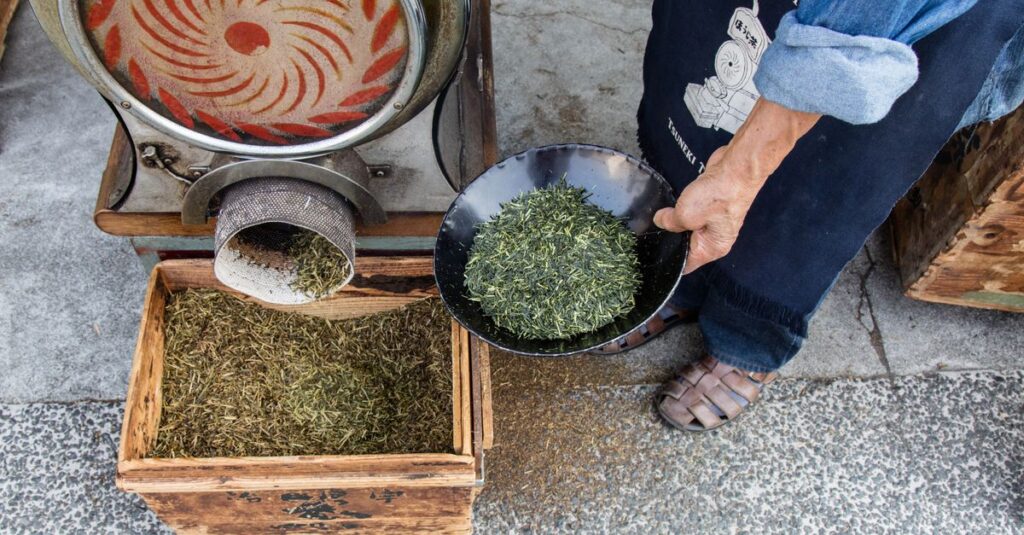
Japanese tea is celebrated for its fresh green flavor, careful cultivation, and precise processing techniques. Shade growing and steaming help preserve vibrant color, aroma, and nutritional qualities.
Primarily green tea production
Traditional steaming process
Shade-grown cultivation methods
Rich umami flavor profiles
Centuries of tea craftsmanship
Strong tea ceremony traditions
Understanding Japanese Tea
Japanese tea offers a variety of styles, each produced using different growing, shading, and roasting techniques that create unique flavors and aromas.
Sencha — Fresh and balanced
Matcha — Stone-ground powdered tea
Gyokuro — Premium shade-grown tea
Hojicha — Roasted green tea
Genmaicha — Green tea with roasted rice
Kukicha — Tea made from stems and twigs
Begin Your Japanese Tea Journey
Explore Japanese tea varieties, brewing techniques, regional traditions, tea ceremonies, and everyday tea culture.