Discover the naturally occurring compounds found in matcha and learn why it has become a popular choice for daily wellness, steady energy, focus, and mindful living.
Why People Choose Matcha
Matcha contains naturally occurring compounds that make it one of the most popular traditional teas for everyday enjoyment and wellness.
Natural Antioxidants
Matcha naturally contains catechins and other plant compounds found in green tea.
L-Theanine
A naturally occurring amino acid found in tea that contributes to matcha's unique character.
Natural Energy
Matcha provides natural caffeine that many people enjoy as part of their morning routine.
Daily Wellness
Many people include matcha in their everyday wellness habits because of its balanced flavor and versatility.
What's Inside Matcha
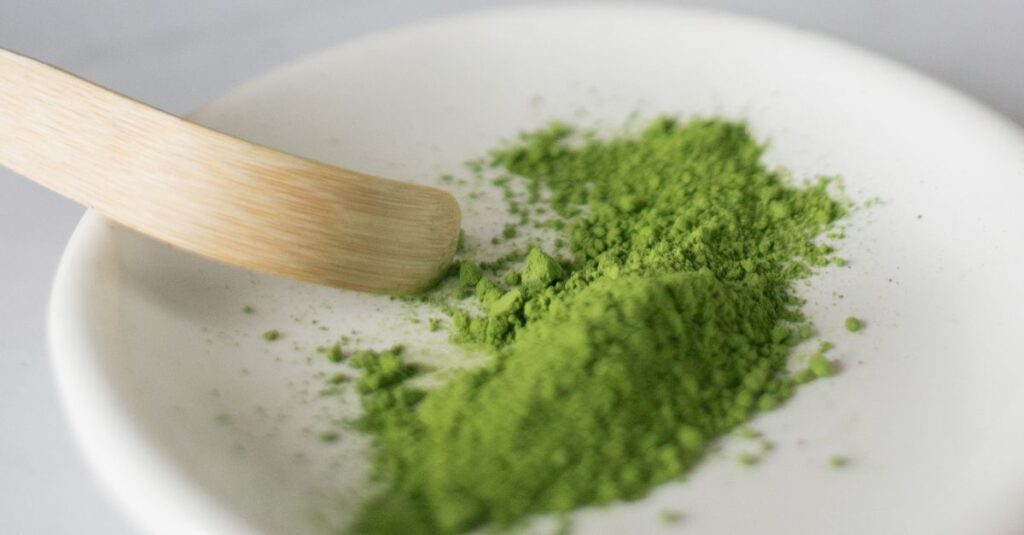
Unlike many brewed teas, matcha is made from finely ground whole tea leaves, providing a unique combination of naturally occurring compounds.
Catechins
EGCG
L-theanine
Natural caffeine
Chlorophyll
Vitamins and minerals
Everyday Ways to Enjoy Matcha
Matcha can be enjoyed in many different ways depending on your daily routine and personal preferences.
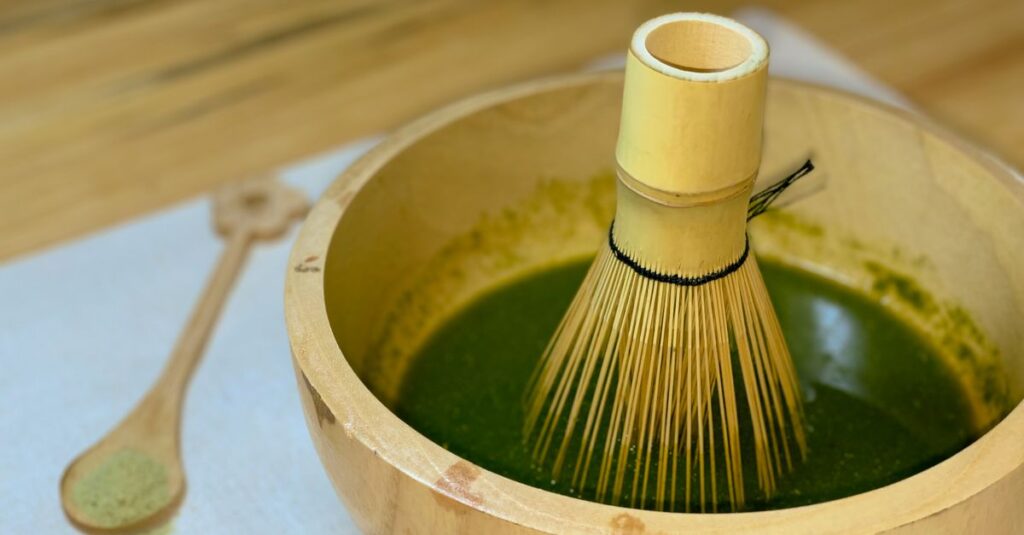
Traditional matcha tea
Morning matcha latte
Smoothies
Baking recipes
Work breaks
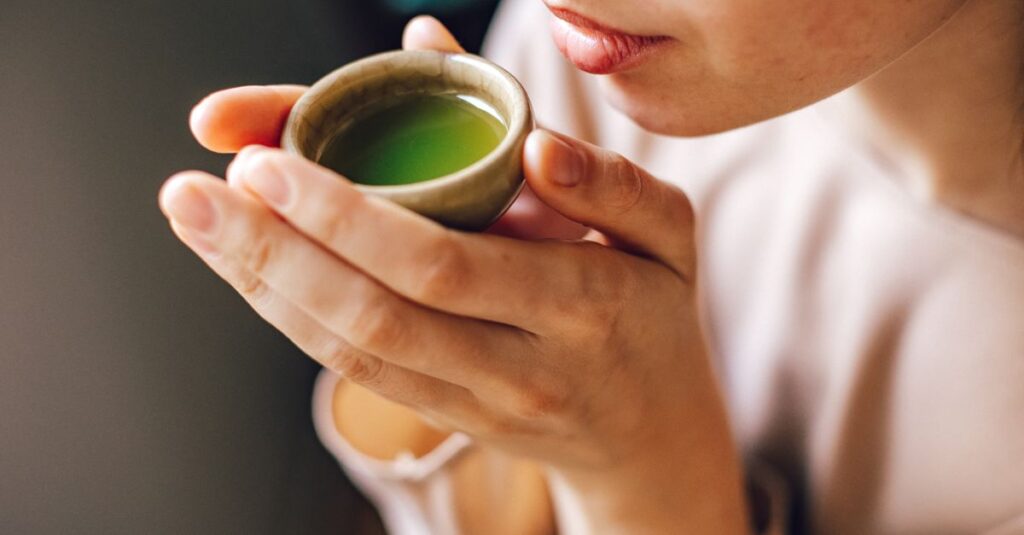
Mindful tea rituals
Enjoy Matcha Every Day
Learn more about matcha, explore preparation guides, and discover simple ways to include it in your daily routine.
Matcha contains naturally occurring antioxidants, L-theanine, natural caffeine, and other compounds that make it a popular choice for daily tea drinkers.
Matcha is made from finely ground whole tea leaves, while traditional green tea is brewed from leaves. Both offer unique characteristics and nutritional profiles.