Matcha Benefits

Discover the naturally occurring compounds found in matcha and learn why it has become a popular choice for daily wellness, steady energy, focus, and mindful living.

Why People Choose Matcha

Matcha contains naturally occurring compounds that make it one of the most popular traditional teas for everyday enjoyment and wellness.

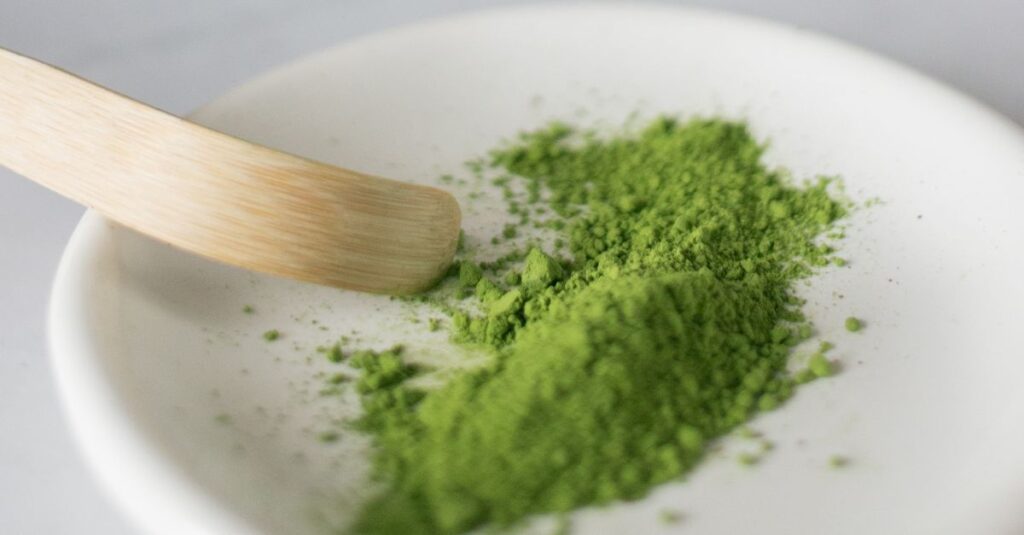
Closeup of dry green food coloring for cooking on white plate with wooden spatula on white surface in kitchen
Natural Antioxidants
Matcha naturally contains catechins and other plant compounds found in green tea.
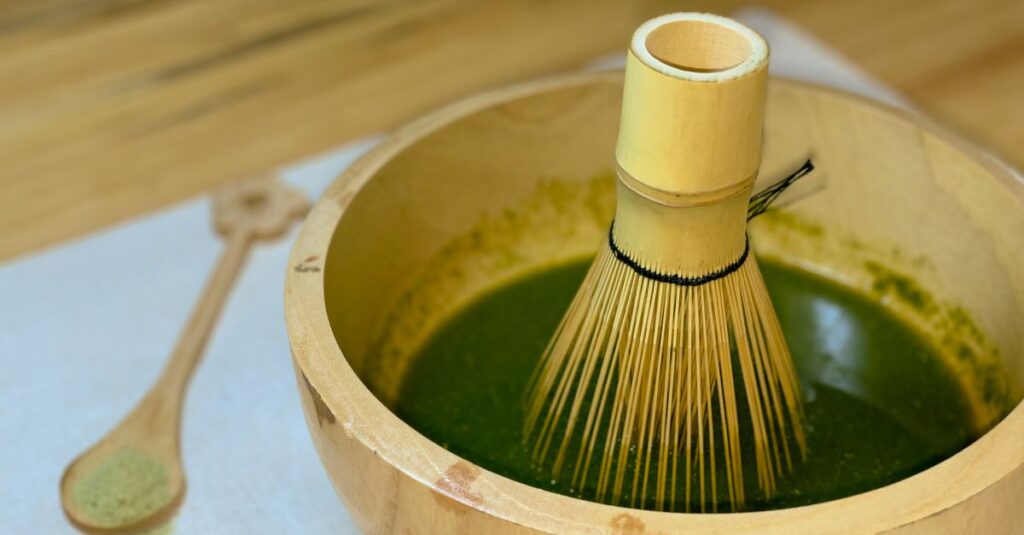
A bamboo whisk in a wooden bowl with matcha tea on a wooden surface.
L-Theanine
A naturally occurring amino acid found in tea that contributes to matcha's unique character.
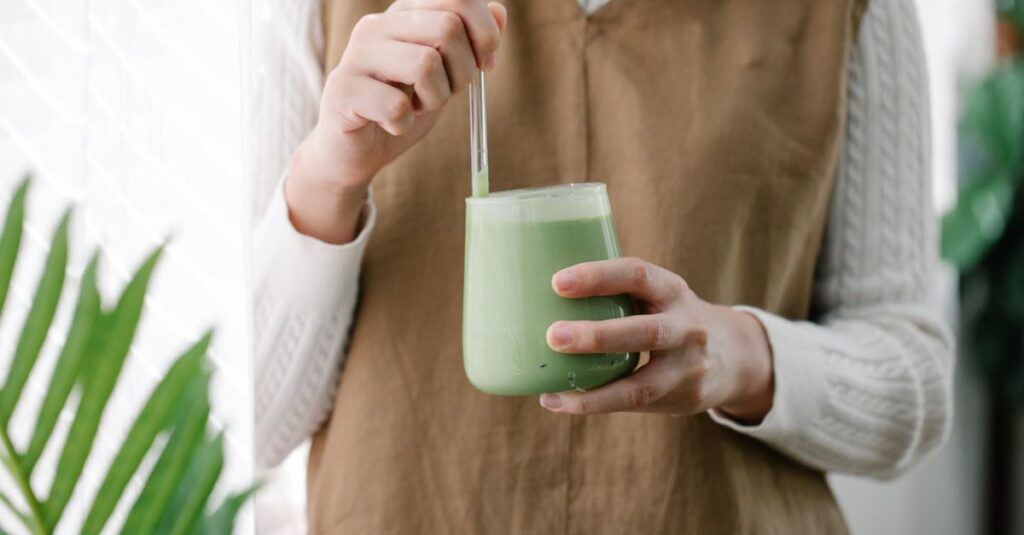
Close-up of a woman stirring a creamy matcha latte in a cozy indoor setting.
Natural Energy
Matcha provides natural caffeine that many people enjoy as part of their morning routine.
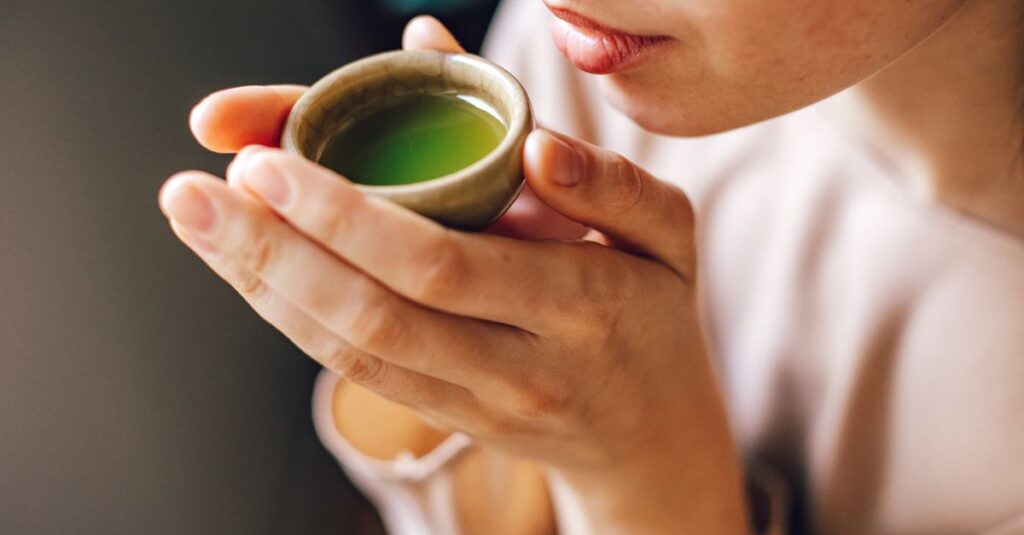
Close-up of a woman enjoying a hot matcha tea, highlighting a healthy lifestyle.
Daily Wellness
Many people include matcha in their everyday wellness habits because of its balanced flavor and versatility.

What's Inside Matcha

Unlike many brewed teas, matcha is made from finely ground whole tea leaves, providing a unique combination of naturally occurring compounds.

  • Catechins
  • EGCG
  • L-theanine
  • Natural caffeine
  • Chlorophyll
  • Vitamins and minerals

Everyday Ways to Enjoy Matcha

Matcha can be enjoyed in many different ways depending on your daily routine and personal preferences.

  • Traditional matcha tea
  • Morning matcha latte
  • Smoothies
  • Baking recipes
  • Work breaks
  • Mindful tea rituals

Enjoy Matcha Every Day

Learn more about matcha, explore preparation guides, and discover simple ways to include it in your daily routine.

F.A.Q.

Matcha contains naturally occurring antioxidants, L-theanine, natural caffeine, and other compounds that make it a popular choice for daily tea drinkers.

Matcha is made from finely ground whole tea leaves, while traditional green tea is brewed from leaves. Both offer unique characteristics and nutritional profiles.

Yes. Matcha naturally contains catechins, including EGCG, which are plant compounds found in green tea.

Yes. Matcha contains natural caffeine, which many people enjoy as part of their morning or work routine.

L-theanine is a naturally occurring amino acid found in tea that contributes to matcha’s distinctive character.

Many people enjoy matcha as part of their daily routine. Individual caffeine tolerance and dietary needs may vary.

Yes. Ceremonial or everyday matcha is often recommended for beginners because of its smooth flavor and easy preparation.

Traditional preparation uses a bamboo whisk, hot water around 70–80°C (158–176°F), and freshly sifted matcha powder.

Related Articles

A Beginner Teaware Checklist for a Small Setup

What you already own, what to buy first, what can wait, and the questions to ask before paying for teaware...

When Tea Tastes Too Bitter: Change One Brewing Variable

Find what is making your tea bitter by changing time, temperature, leaf amount or water, one cup at a time...

A First-Brew Record You Can Repeat

A blank one-minute record for leaf, water, temperature, time and taste, so you know what to repeat or change next...

Tea, Herbal Infusions, and Blend Labels: A Beginner’s Glossary

What common tea and herbal label terms can and cannot tell you, with a practice label and a blank worksheet...

Choosing a First Tea by Flavor and Preparation Style

Match a flavor you already enjoy to the way you really make a hot drink, then buy small and compare two teas...