
Tea Culture
Discover how tea has shaped traditions, hospitality, daily life, and cultural identity across different countries and generations.
Tea Traditions Around the World
Explore how different cultures celebrate tea through unique customs, ceremonies, etiquette, and everyday traditions.
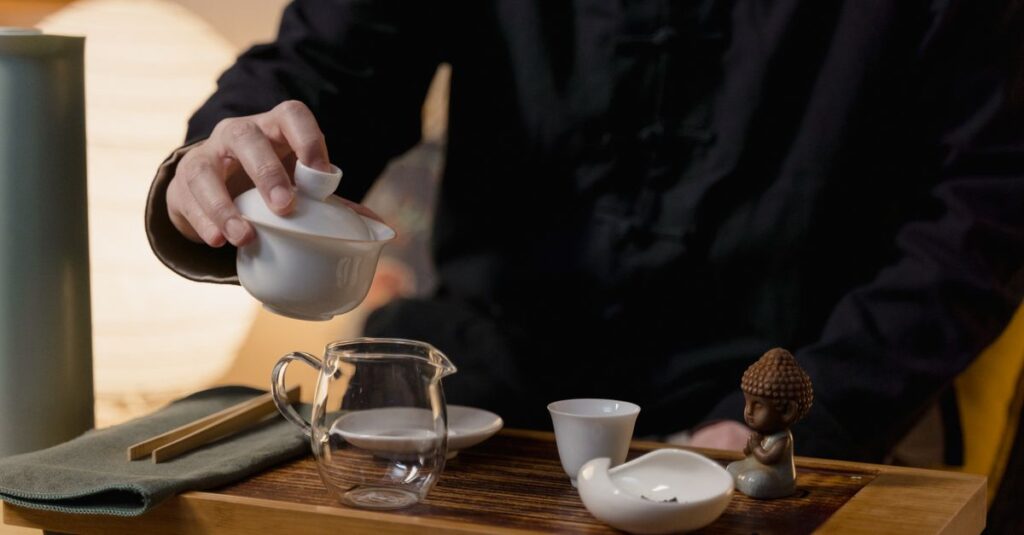
Chinese Tea Culture
Discover China's thousands of years of tea history, Gongfu tea, regional traditions, and the philosophy of tea appreciation.
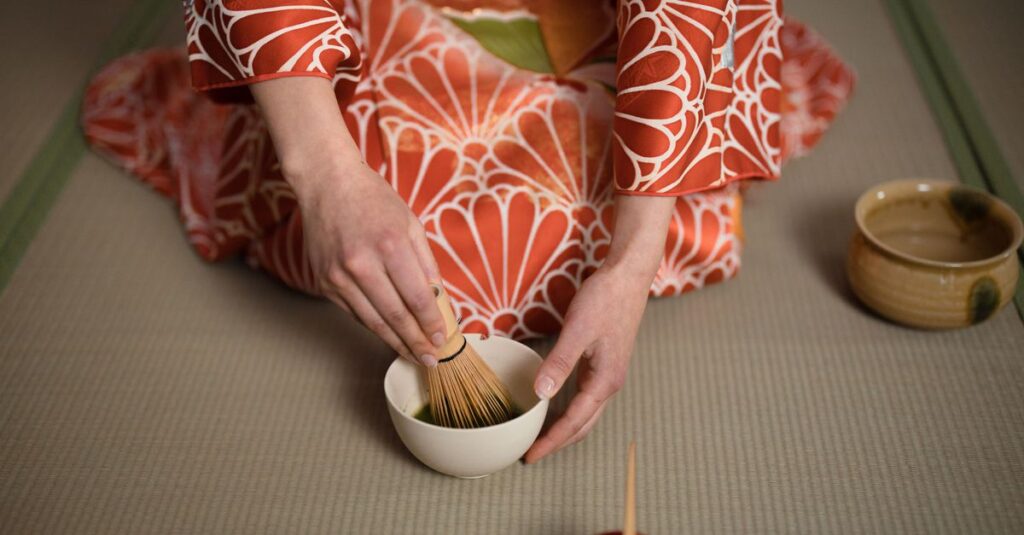
Japanese Tea Culture
Learn about Chanoyu, seasonal traditions, simplicity, and the importance of harmony in Japanese tea culture.
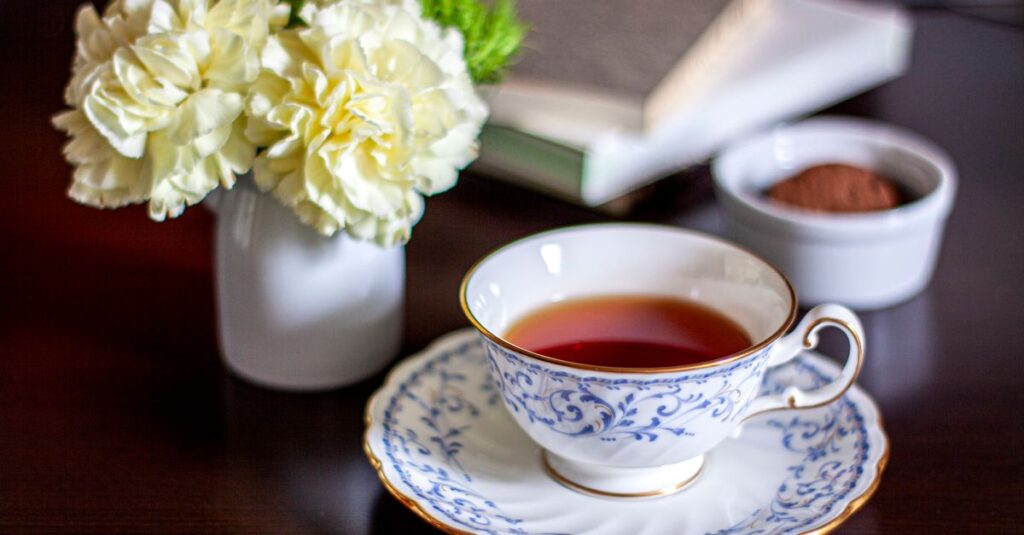
British Afternoon Tea
Explore the tradition of afternoon tea, elegant tea service, and its lasting influence on British culture.
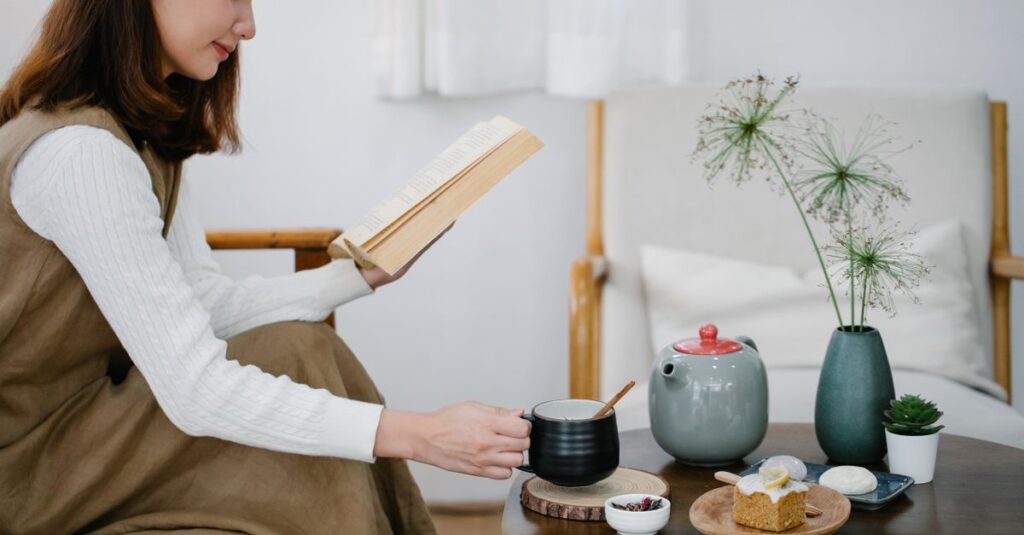
Modern Tea Lifestyle
See how tea continues to inspire wellness, mindfulness, cafés, and daily rituals around the world.
Why Tea Culture Matters
Tea has connected people for centuries through hospitality, tradition, and shared experiences. Across cultures, tea represents more than a beverage—it reflects history, community, and everyday rituals.
- Global cultural traditions
- Tea etiquette and hospitality
- Shared social experiences
- Historical significance
- Mindful daily routines
- Connection across generations
Exploring Tea Culture
Every tea culture has developed its own customs, preparation styles, and social traditions while sharing a common appreciation for tea as a meaningful part of daily life.
- Chinese Gongfu Tea
- Japanese Chanoyu
- British Afternoon Tea
- Moroccan Mint Tea
- Korean Tea Traditions
- Modern Tea Communities
F.A.Q.
Tea culture refers to the traditions, customs, etiquette, and social practices that have developed around tea in different parts of the world.
China, Japan, the United Kingdom, Korea, Morocco, India, Taiwan, and Turkey all have rich tea traditions.
Tea has long symbolized hospitality, respect, community, and everyday connection across many societies.
Yes. Each region has its own brewing methods, serving customs, ceremonies, and social traditions.
Start by learning about different tea traditions, preparing loose-leaf tea mindfully, and sharing tea with family or friends.
Related Topics
Chinese Tea Discover China’s rich tea heritage through traditional tea varieties, regional origins, brewing methods, and timeless tea culture. Popular Chinese Tea Varieties Explore some of...
Japanese Tea Discover Japan’s renowned green teas, regional traditions, cultivation methods, and timeless tea culture. Popular Japanese Tea Varieties Discover Japan’s most popular teas...
Tea Ceremonies & Rituals Explore traditional tea ceremonies, mindful rituals, and cultural practices that celebrate hospitality, craftsmanship, and moments of calm. Traditional Tea Ceremonies...