Discover where tea originated, how tea plants grow in different regions, and how climate, terroir, and cultivation shape every cup of tea.
Major Tea-Growing Regions
Explore the world’s most important tea-growing regions and discover how geography, climate, and local traditions influence tea production.
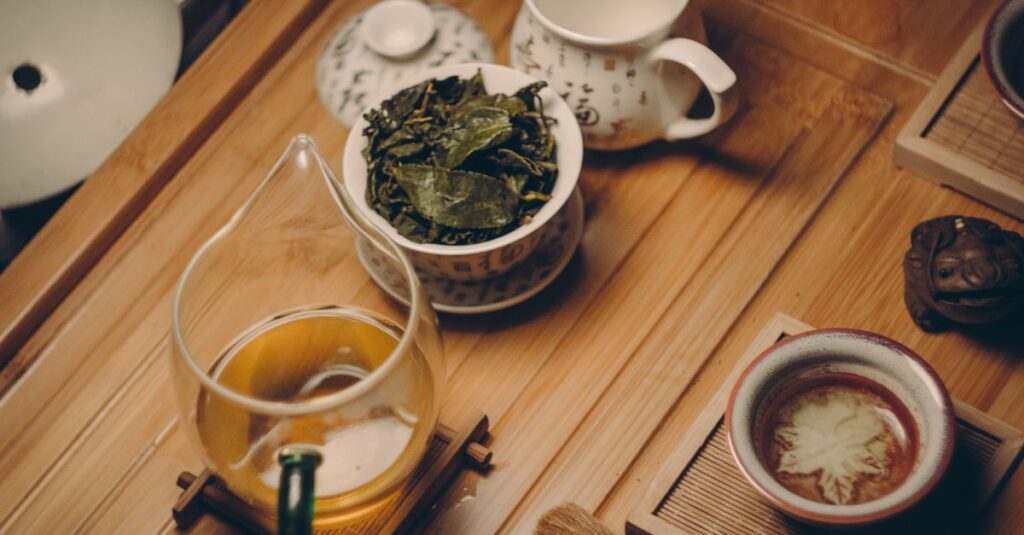
China
The birthplace of tea, home to diverse tea regions and centuries of cultivation traditions.
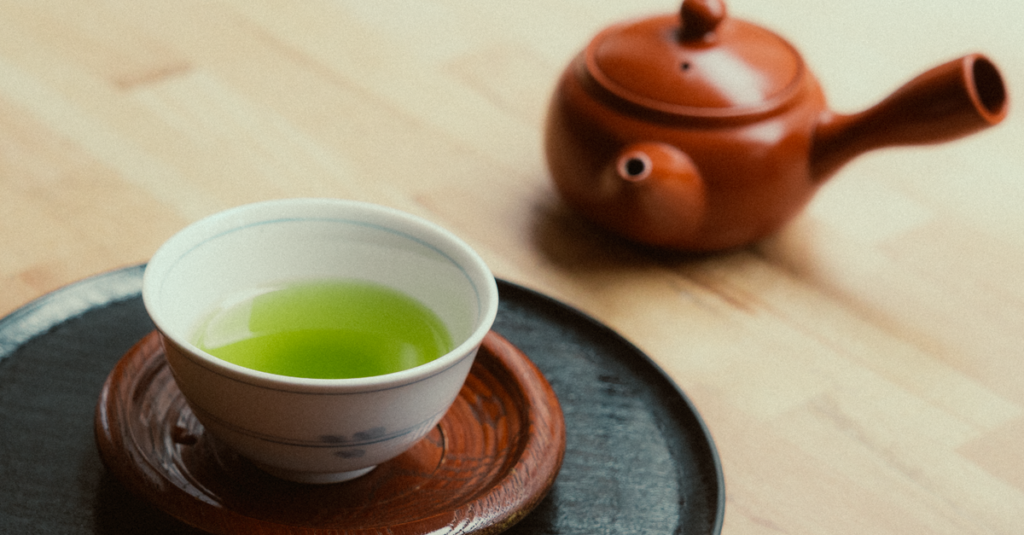
Japan
Known for shade-grown green teas, meticulous cultivation, and distinctive steaming techniques.
India
Famous for Assam and Darjeeling teas, producing bold black teas and aromatic specialty varieties.
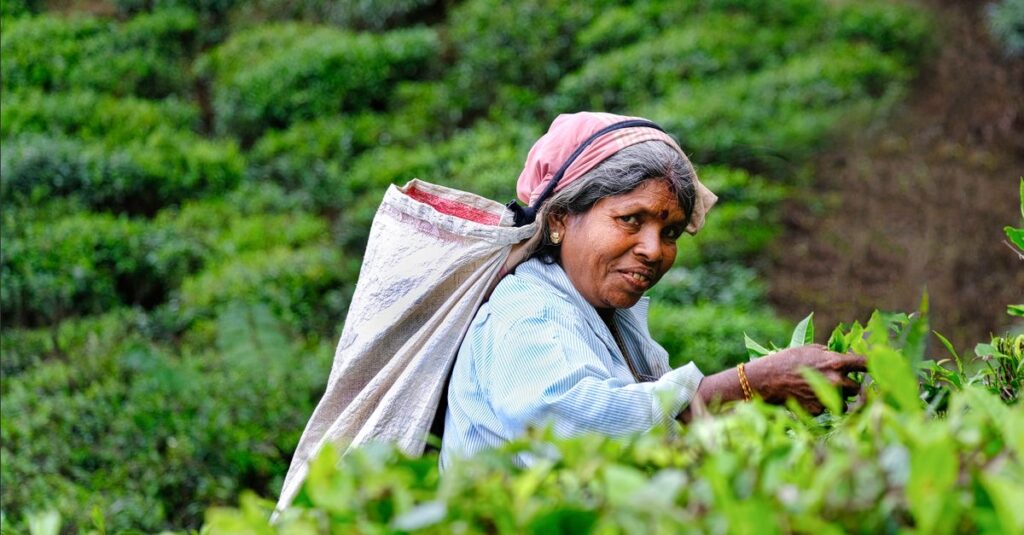
Sri Lanka
Renowned for Ceylon tea, offering bright flavors influenced by high-altitude growing regions.
Why Tea Origins Matter
Where tea is grown has a profound influence on its flavor, aroma, and character. Climate, soil, altitude, and traditional cultivation methods all contribute to the unique identity of every tea.
Climate and terroir
Tea-growing regions
Altitude and soil conditions
Traditional cultivation methods
Regional flavor profiles
Sustainable tea farming
Understanding Tea Origins
Tea grows in many regions around the world, but every origin offers unique environmental conditions that shape the final tea experience.
China — Birthplace of tea
Japan — Green tea cultivation
India — Assam & Darjeeling
Sri Lanka — Ceylon tea
Taiwan — High mountain oolong
Kenya — Modern tea production
Explore Tea Origins Around the World
Learn how different tea regions, climates, and growing traditions influence the teas we enjoy every day.